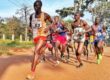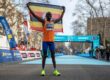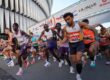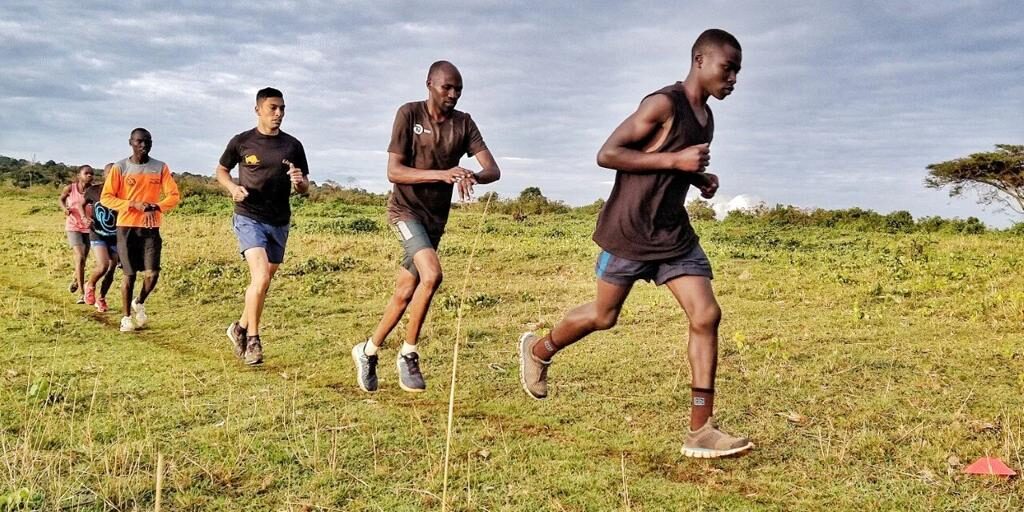
“Martin Kiprotich Magengo and Chekwemoi Esther Yeko won the senior men’s and women’s titles at Uganda’s 16th National Mountain Running Championships in Kapchorwa, with Magengo recording 44:25 in the men’s 12km race and Yeko clocking 53:04 in the women’s event. The championships also showcased emerging junior talent, with Sande Rotich and Chelimo Edith winning their respective 10km races, while Uganda Athletics reported a total prize allocation of Shs5.3 million.”
Martin Magengo and Esther Yeko Lead Uganda’s Mountain Running Champions in Kapchorwa
Kapchorwa reinforces its position in Ugandan athletics
Uganda’s mountain-running community has received another boost following the conclusion of the 16th National Mountain Running Championships in Kapchorwa, where Martin Kiprotich Magengo and Chekwemoi Esther Yeko emerged as the senior champions. The competition, held over the weekend before the official report was published on 20 October 2026, brought together experienced distance runners, junior athletes and masters competitors for a demanding test of endurance.
The championships were staged at the Kiprotich Teryet High Altitude Training Centre, an important location for athletes preparing for demanding distance-running competitions. According to Uganda Athletics, the results demonstrated the continued strength of the country’s mountain-running discipline and highlighted athletes whose performances deserve attention as the national athletics season progresses.
Mountain running requires more than speed. Competitors must manage elevation changes, uneven surfaces, changing gradients and the physical demands of maintaining a sustainable pace over difficult terrain. These challenges make the discipline particularly suitable for athletes who combine cardiovascular endurance with strength, balance, tactical awareness and the ability to respond to changing conditions.
Kapchorwa’s role in the competition also reflects the importance of regional training centres in Uganda’s athletics system. However, the long-term benefits of hosting national championships depend on continued investment in athlete development, coaching, facilities and opportunities to compete internationally.
Magengo retains the senior men’s title
Martin Kiprotich Magengo of Police Club produced the leading performance in the men’s senior 12km race, finishing in 44 minutes and 25 seconds. His victory marked a successful defence of the national title he had won the previous year.
Kiprotich Levi of Prisons finished second in 45:03, while Oscar Kibet of Uganda Wildlife Authority took third in 45:11. The narrow gap between the second- and third-place finishers illustrated the competitive nature of the leading group, with the medal positions decided by differences of only eight seconds between those two athletes.
Magengo’s winning performance was built around familiarity with the course and the ability to sustain his effort before making a decisive move. The federation’s report said he broke away from the leading pack approximately five kilometres from the finish and continued alone to secure the victory.
That decision was significant because mountain races often reward patience rather than an early burst of speed. Athletes who attack too soon may lose strength on later climbs, while those who wait too long risk becoming trapped behind rivals or leaving themselves insufficient distance to recover lost ground.
Magengo attributed his success to intensive training and favourable weather conditions. He explained that he had spent considerable time preparing on the competition route and found the conditions more comfortable than the cold and drizzle experienced at the previous year’s championship.
His explanation underlines the importance of preparation that reflects the actual demands of a race. Training on similar terrain can help runners understand the course, identify difficult sections and practise pacing strategies that are difficult to reproduce on flat roads or tracks.
Magengo also brings international experience to the national competition. Uganda Athletics reported that he won an individual silver medal in the 14km classic race at the 2025 World Mountain Running Championships in Spain. That achievement provides a useful measure of his experience in the discipline, although future international performances will depend on his preparation and the strength of the fields he faces.
Yeko claims the women’s senior crown
The women’s senior 12km event produced another notable result, as Chekwemoi Esther Yeko of Police Club won in 53 minutes and four seconds.
Mande Ruth of the Uganda People’s Defence Forces finished second in 56:06, while teammate Chelangat Ariziki claimed third in 56:15. Yeko’s victory was particularly meaningful because she had finished third in the previous edition and improved her position to take the title this time.
The federation’s report described a closely contested race in which seven athletes were involved in the leading group before Yeko moved clear. Her performance demonstrated the value of staying competitive during the early stages before choosing the right moment to accelerate.
In distance running, an athlete’s ability to judge when to make a decisive move can be as important as raw speed. A successful attack must be supported by sufficient endurance to maintain the advantage, especially when the course continues to present difficult gradients and uneven surfaces.
Yeko expressed her delight at improving from third place to first. Her progress offers an example of how repeated championship participation can provide athletes with valuable experience. Familiarity with the course, knowledge of opponents and a clearer understanding of race-day demands can all contribute to improved results.
Her victory also adds to the visibility of women in Ugandan distance running. Continued participation by women at national level is important for developing a wider competitive base, creating role models for younger runners and strengthening the pathway from junior competition to senior championships.
For Yeko, the national title provides a foundation for future ambitions. Nevertheless, a single domestic result does not automatically guarantee international success. Sustained training, access to quality competition, appropriate recovery and consistent technical support remain important if national champions are to progress to stronger international fields.
Junior athletes provide encouraging signs
The championships were not limited to the senior races. The junior events offered opportunities to identify emerging talent and measure the progress of athletes who may contribute to Uganda’s future distance-running strength.
Chelimo Edith of Sebei College won the women’s under-20 10km race in 39:26. Chebet Charity of Police Club finished second in 40:31, while Chekwemoi Linda, also representing Sebei College, placed third in 40:52.
The result placed Sebei College prominently among the junior women’s competitors and demonstrated the role educational institutions can play in nurturing young athletes. Schools and colleges can offer structured training opportunities, encourage discipline and provide regular competition, provided athletic programmes are balanced with education and the welfare of young participants.
Sande Rotich won the junior men’s 10km race in 31:26. Cherotich Abraham finished second in 32:58, while Kibet Sam Arapmasai took third in 33:58. Uganda Athletics reported that the three leading junior men were associated with Arua Club.
These performances are valuable not only because they determine medal positions but also because they give coaches information about athletes’ current fitness, race management and potential development. However, junior results should be interpreted carefully. Young athletes develop at different rates, and sustainable progress depends on appropriate training loads, nutrition, injury prevention, education and access to qualified coaches.
A successful development system should therefore look beyond the immediate podium. Athletes need opportunities to compete consistently, learn pacing and technique, and progress gradually towards senior distances without being pushed into excessive training too early.
Masters competition broadens participation
The masters events provided another dimension to the championships by bringing experienced competitors into the national programme.
In the women’s masters 12km race, Jane Suuto of Arua won in 1:06:02. Hellen Chemutai of Prisons finished second in 1:09:15, while Hellen Chemoi took third in 1:14:15.
The men’s masters 12km race was won by Michael Yeko of Kween in 53:29. Simon Mwanga finished second in 55:27, while Peter Wanasolo of Kapchorwa placed third in 1:00:38.
Masters competition helps demonstrate that athletics can remain part of people’s lives beyond the traditional peak years of elite competition. It can encourage regular physical activity, provide opportunities for social connection and allow experienced runners to remain involved in the sport.
At the same time, participation should be supported by appropriate medical guidance, sensible training and attention to recovery. Mountain courses can be physically demanding, making preparation and event safety important for athletes across every age group.
Prize money and the importance of athlete support
Uganda Athletics reported that Shs5.3 million in prize money was allocated to the championships. The federation said the funds were awarded to the top five finishers in the senior competitions and to the top three in the masters categories.
Prize money can provide practical recognition for athletes who devote significant time to training and competition. For some runners, financial rewards may help offset transport, equipment, food and other preparation costs. However, the available report does not establish the full financial circumstances of individual athletes or indicate that the prize allocation covers their wider training expenses.
The broader challenge for Ugandan athletics is to build a support structure that extends beyond competition-day rewards. Athletes need reliable coaching, access to suitable training facilities, medical and physiotherapy services, adequate nutrition and clear opportunities to progress to higher levels of competition.
Clubs, schools, universities, regional associations, sponsors and national sporting institutions all have potential roles in supporting this development. Strong partnerships can help identify talent earlier and give promising runners a more reliable pathway from local races to national teams.
Why mountain running matters to Uganda
Mountain running adds variety to Uganda’s distance-running portfolio. The country is known for producing successful endurance athletes, and national mountain championships give runners a structured opportunity to test their abilities on challenging terrain.
The discipline also creates opportunities for regions to host events that bring together athletes, officials and supporters. Where events are planned responsibly, they can contribute to local visibility and encourage young people to participate in organised sport.
Kapchorwa’s hosting role is particularly relevant because the championships were held at the Teryet High Altitude Training Centre. The venue offers a setting associated with distance-running preparation, but its wider contribution will depend on sustained access, effective management and continued support for athletes.
Mountain running also places specific demands on preparation. Coaches must consider climbing strength, descending technique, balance, pacing and the ability to maintain form as fatigue increases. Athletes need to develop these qualities progressively rather than rely exclusively on road-running or track-based workouts.
For national administrators, the challenge is to ensure that championships connect to a broader development plan. Competitions can help reveal talent, but athletes need follow-up support if strong performances are to translate into long-term progress.
The road ahead for the champions
Magengo and Yeko leave the championships with national titles and the confidence that comes from winning against strong domestic competition. Their performances also provide benchmarks for rivals preparing for future editions.
For junior winners such as Rotich and Edith, the next stage is continued development. Consistency over time, rather than one outstanding race, will be the most useful indicator of whether emerging athletes can progress to senior national competition.
Uganda Athletics can build on the championships by maintaining transparent results, supporting clubs and coaches, and helping promising runners access appropriate competition. Public reporting of results also gives athletes recognition and allows supporters to follow the progress of the sport beyond its most prominent international stars.
Ultimately, the significance of the Kapchorwa championships lies in more than the names at the top of the results. The event brought together senior champions, developing juniors and masters competitors in a discipline that tests endurance, strength and tactical judgement.
Magengo’s successful title defence and Yeko’s improvement from third place to champion were the headline performances. Yet the junior results and the breadth of participation show why domestic competitions remain important to the future of Ugandan athletics.
With continued investment in training, coaching and athlete welfare, national mountain running can remain a valuable part of Uganda’s sporting calendar and help create further opportunities for runners at different stages of their careers.
Editorial note: This is an expanded, independently written article based on the published results and statements cited above. Background discussion is explanatory analysis, not additional reporting or new quotations from the athletes.