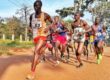
“Martin Kiprotich Magengo retained the men’s senior title at the 2026 National Mountain Running Championships in Kapchorwa, finishing the 12-kilometre race in 44 minutes and 25 seconds. Chekwemoi Esther Yeko won the women’s senior race in 53 minutes and four seconds, highlighting Uganda’s developing mountain-running talent and the importance of domestic competition ahead of future international championships.”
Magengo and Yeko Crowned National Mountain Running Champions as Uganda Builds Its Next Generation of Athletics Stars
Introduction
Uganda’s mountain-running talent was on display in Kapchorwa as Martin Kiprotich Magengo and Chekwemoi Esther Yeko emerged victorious at the 2026 National Mountain Running Championships. The competition, held at the Kiprotich Teryet High Altitude Training Centre, brought together runners representing clubs and institutions from across the country.
Magengo successfully defended his men’s senior title, while Yeko moved from third place in the previous year’s championship to claim the women’s crown. Their performances highlighted the competitive nature of Uganda’s domestic athletics calendar and the importance of national championships in preparing athletes for higher-level competitions.
The event also provided opportunities for junior runners and masters athletes to demonstrate their abilities, reinforcing the role of domestic races in developing participation across different age groups.
Magengo Defends His Men’s Senior Title
Martin Kiprotich Magengo delivered one of the standout performances of the championship, winning the men’s senior 12-kilometre Up and Down Classic race in 44 minutes and 25 seconds.
The Police Club athlete maintained his strong record in the competition by securing the title for a second consecutive year. His victory demonstrated the value of course familiarity, consistent training and effective race management when competing over demanding mountain terrain.
According to the race report published by Tabz Live on October 20, Magengo made his decisive move at approximately the five-kilometre mark. He separated himself from the leading group and continued towards the finish without allowing his rivals to close the gap.
Kiprotich Levi of Prisons finished second in 45 minutes and three seconds, while Kibet Oscar of the Uganda Wildlife Authority took third place in 45 minutes and 11 seconds.
The relatively close times between the second- and third-place finishers showed the intensity of the battle behind the winner. Meanwhile, Magengo’s ability to establish a gap underlined his preparation for the event.
The champion attributed his success partly to training on the competition route and favourable weather conditions. Familiarity with the terrain can help runners manage changes in elevation, pace themselves effectively and make better decisions when fatigue begins to affect performance.
Magengo also has experience at international level. He won an individual silver medal in the 14-kilometre Classic Race at the 2025 World Mountain Running Championships in Spain. That achievement provides further context for his continued success in domestic competition.
Yeko Completes a Remarkable Turnaround
The women’s senior race produced another important achievement when Chekwemoi Esther Yeko claimed the championship in 53 minutes and four seconds.
Yeko’s victory represented a significant improvement from the previous year’s competition, when she finished third. Her progress illustrated how athletes can turn previous experience into improved performances through preparation, determination and tactical awareness.
The women’s race featured a closely contested group of seven runners before Yeko broke away to establish her advantage.
Mande Ruth of the Uganda People’s Defence Forces finished second in 56 minutes and six seconds. Her teammate Chelangat Ariziki placed third in 56 minutes and 15 seconds.
The results showed the strength of the competition among Uganda’s leading female mountain runners. Yeko’s victory also provided a strong example for younger athletes hoping to progress from club competition to national honours.
After winning, Yeko expressed her excitement at moving from third place in the previous championship to the top of the podium. Her achievement demonstrated the importance of persistence in a sport where improvements often require sustained training and repeated competitive experience.
Women’s participation is particularly important to the future of Ugandan athletics. Competitive opportunities help identify talented runners, provide experience against strong opponents and allow coaches to assess athletes in demanding race conditions.
Junior Athletes Demonstrate Uganda’s Depth
Beyond the senior races, the championship offered an important platform for younger runners to demonstrate their abilities.
In the women’s Under-20 10-kilometre race, Chelimo Edith of Sebei College won in 39 minutes and 26 seconds. Chebet Charity of Police Club finished second in 40 minutes and 31 seconds, while Chekwemoi Linda of Sebei College took third place in 40 minutes and 52 seconds.
The results highlighted the contribution of schools and athletics clubs to the development of Uganda’s emerging distance-running talent.
Sande Rotich won the junior men’s 10-kilometre race in 31 minutes and 26 seconds. Cherotich Abraham finished second in 32 minutes and 58 seconds, followed by Kibet Sam Arapmasai in 33 minutes and 58 seconds.
These races are valuable because young athletes need opportunities to test their abilities against other competitors rather than relying exclusively on training performances. National competitions can also help athletes learn about pacing, recovery, discipline and the mental demands of racing.
However, long-term development requires more than a single championship. Young runners benefit from qualified coaching, appropriate training loads, nutrition, access to medical support and education about injury prevention.
Schools and clubs therefore remain important partners in building a sustainable athletics programme.
Masters Competition Broadens Participation
The championships also included masters races, giving experienced athletes an opportunity to compete and remain active within the sport.
In the women’s 12-kilometre masters category, Suuto Jane of Arua won in one hour, six minutes and two seconds. Chemutai Hellen of Prisons finished second in one hour, nine minutes and 15 seconds, while Chemoi Hellen took third in one hour, 14 minutes and 15 seconds.
The men’s masters race was won by Yeko Michael of Kween in 53 minutes and 29 seconds. Mwanga Simon finished second in 55 minutes and 27 seconds, while Wanasolo Peter of Kapchorwa placed third in one hour and 38 seconds.
The inclusion of masters athletes demonstrates that athletics can provide meaningful competition beyond the senior elite categories. It also helps maintain participation among runners who have accumulated years of experience and can serve as examples for younger competitors.
According to the published report, Uganda Athletics awarded Shs5.3 million in prize money to the top five finishers in the senior categories and the top three athletes in the masters races.
Although prize money is only one element of sporting development, recognition can encourage athletes to continue training and competing. Reliable payment arrangements, transparent results and fair officiating are equally important in maintaining confidence in the competition system.
Kapchorwa’s Importance to Mountain Running
Kapchorwa has an established association with distance running, and the surrounding highland terrain provides a demanding environment for athletes preparing for endurance events.
Mountain running requires a combination of aerobic fitness, leg strength, balance, technical ability and tactical judgement. Competitors must respond to changing gradients while managing their energy across climbs and descents.
Unlike races conducted entirely on flat roads, mountain events can require runners to adjust their stride and effort repeatedly. A fast opening section does not necessarily guarantee success because steep climbs and technical descents can quickly change the competitive picture.
Training on comparable terrain can help athletes develop the strength and confidence needed to manage these demands.
The Kiprotich Teryet High Altitude Training Centre also provides a setting associated with athletics preparation. However, successful athlete development depends on the wider support system, including coaches, clubs, facilities, competition opportunities and adequate funding.
National championships are therefore important not only for identifying winners but also for assessing the overall depth of the country’s mountain-running programme.
International Ambitions and Future Opportunities
The championship formed part of Uganda’s broader preparation pathway for international mountain-running competition.
Before the event, New Vision reported that the national championships would help athletes assess their form ahead of the 2027 World Athletics Mountain Running Championships scheduled for Cape Town, South Africa.
Uganda Athletics has an opportunity to use domestic performances to identify potential representatives, assess strengths and weaknesses, and develop targeted training programmes.
However, winning a national championship does not automatically guarantee selection for a future international team. Athletes must meet the applicable selection requirements, and the federation must communicate its criteria clearly.
A structured selection process would help athletes understand what is expected of them and give coaches time to prepare competitors for the specific demands of international courses.
Preparation may include technical training, endurance work, recovery planning, race simulations and familiarisation with the conditions athletes are likely to encounter.
International competition also offers valuable experience. Athletes can measure their performances against different running styles and learn how to manage the pressure of representing their country.
Uganda’s ability to build on its existing distance-running reputation will depend partly on whether emerging disciplines such as mountain running receive sustained attention.
Challenges That Require Continued Attention
Despite the positive results in Kapchorwa, developing a strong national mountain-running programme requires long-term investment.
Athletes need access to qualified coaches, suitable training facilities, transport to competitions and medical assistance. Clubs also need the resources to support promising runners whose financial circumstances may otherwise limit their opportunities.
Young athletes require particular attention because excessive training or poorly managed competition schedules can increase the risk of injury. Coaches must balance ambition with age-appropriate development and adequate recovery.
Competition organisers also have a responsibility to provide safe routes, reliable timing, clear rules and appropriate medical arrangements. These measures help protect participants and maintain public confidence in athletics events.
Sponsorship could support travel, equipment, athlete development and prize money. Schools, local authorities, private companies and sports organisations can contribute by investing in programmes that offer measurable benefits to athletes and communities.
At the same time, transparent administration is essential. Federations and organisers should communicate selection policies, competition results and funding arrangements clearly so that athletes understand how decisions are made.
Conclusion
The 2026 National Mountain Running Championships delivered memorable performances from Martin Kiprotich Magengo and Chekwemoi Esther Yeko, who won the men’s and women’s senior titles respectively.
Magengo’s successful defence of his championship and Yeko’s rise from third place to victory were the leading stories of the competition. Strong performances in the junior and masters categories further demonstrated the breadth of participation in Uganda’s mountain-running scene.
The event also offered a useful opportunity to assess athletes as Uganda looks towards future international challenges, including the planned 2027 World Athletics Mountain Running Championships in Cape Town.
Ultimately, the significance of the championship will depend on what follows. Continued investment in coaching, athlete welfare, facilities, youth development and transparent selection procedures can help convert domestic success into sustained international competitiveness.
For Uganda, Kapchorwa’s latest championship was more than a contest for medals. It was an opportunity to identify talent, reward preparation and strengthen the pathway through which aspiring runners can progress from local competition to the international stage.